Testing supplies that keep pace with your routine
Checking blood sugar is a daily habit for many people. The supplies behind it should be just as dependable — the right strips for the meter, enough lancets, and a safe place for sharps.
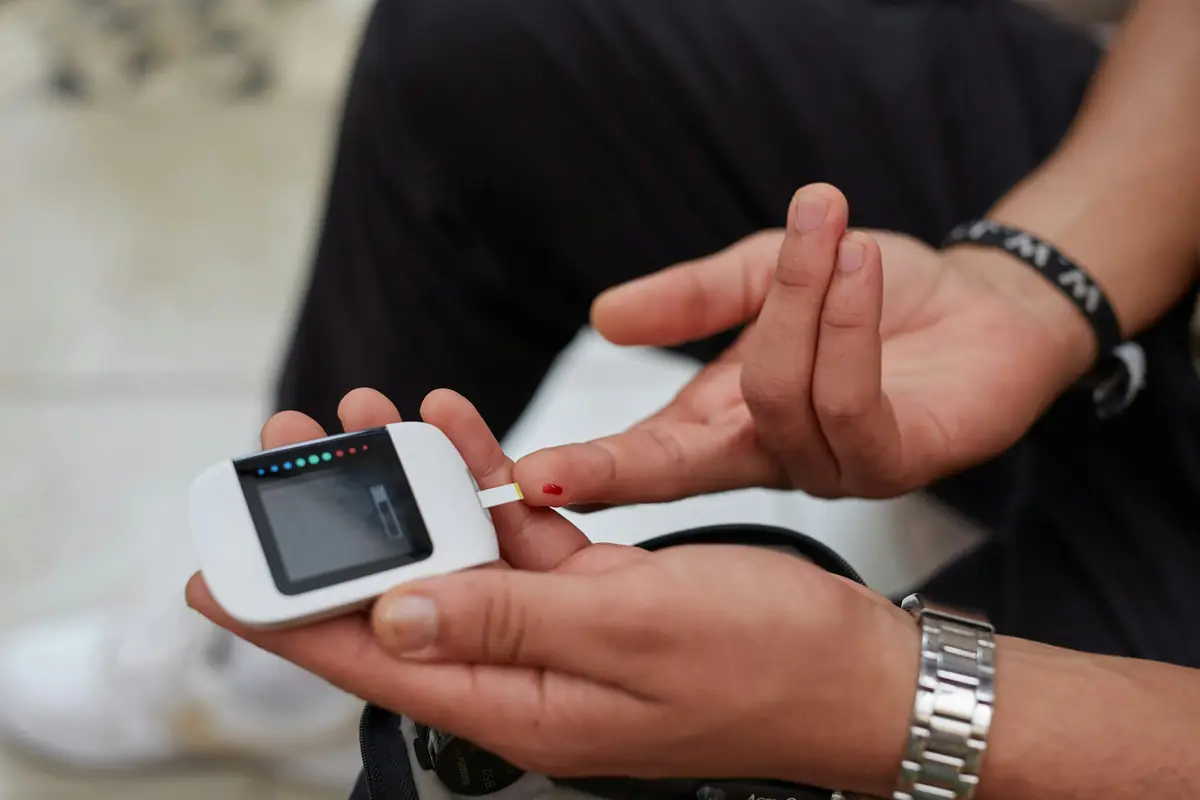
Five parts that have to work together
A glucose testing routine depends on matched parts. Test strips are made for specific meters, so the first question we ask is which meter you use. From there, we look at how often your clinician has asked you to test — once a day, several times a day, or only when you feel off — and plan quantities around that.
If your clinician changes your meter or your testing schedule, the rest of the kit usually needs to change too. Strips from an old meter won't work in a new one, and a higher testing frequency means more lancets and a larger sharps container sooner. Tell us about any change and we'll update every part of the order at once.
Control solution checks that the meter and strips are reading correctly. A logbook or app keeps a record your clinician can review. And a sharps container gives used lancets a safe place to go instead of the household trash.
- Glucose meters
- Test strips matched to the meter
- Lancets and lancing devices
- Control solution
- Sharps containers
- Logbooks and record-keeping aids
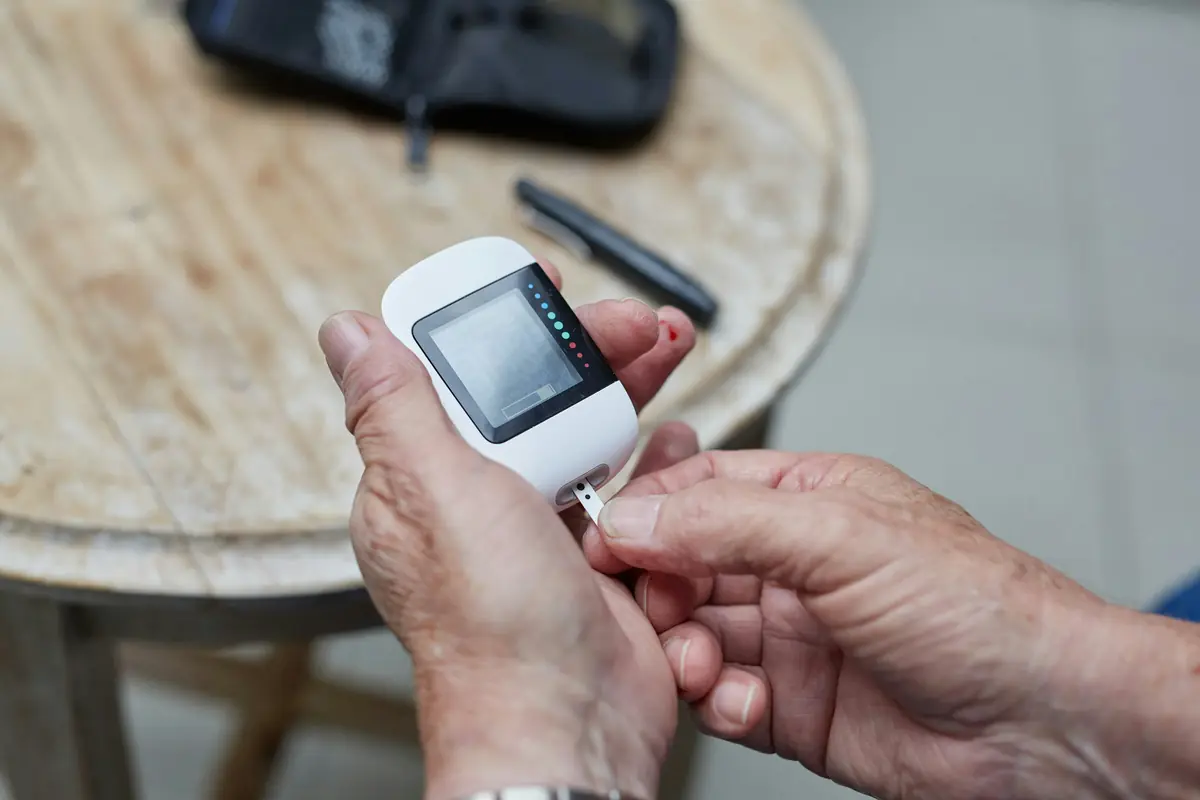
What to know for each item
| Item | Why it matters | Information we'll ask for |
|---|---|---|
| Meter | Determines which strips will work | Current meter type, if any |
| Test strips | The supply used up fastest | How many times per day you test |
| Lancets | Fresh lancets are more comfortable | Lancing device type and gauge preference |
| Control solution | Confirms the meter reads accurately | Last time a new bottle was opened |
| Sharps container | Safe disposal at home | Container size that suits your space |
Related categories we can help organize
Testing is only one part of a diabetes routine. Many people also use supplies for insulin delivery or continuous glucose monitoring, and they want those categories kept on the same schedule as their strips and lancets.
Ask us about pen needles and syringes, continuous glucose monitor supplies, alcohol prep pads, and travel cases that keep a kit together. As with every category, the choice of device and the schedule come from your clinician. We help with the supplies around it — and make sure one category running low doesn't throw off the rest.
- Pen needles and insulin syringes
- Continuous glucose monitor supply categories
- Alcohol prep pads
- Travel and storage cases
Small details that protect accuracy
Check strip dates
Strips have expiration dates and can be affected by heat and humidity. Store them in their original container, capped.
Wash and dry hands
Traces of food or lotion on a fingertip can change a reading. Clean, dry hands give the clearest result.
Run control checks
Use control solution when you open a new box of strips, or if a reading seems out of line with how you feel.
Close the sharps loop
Keep the container out of reach of children and ask your town about local disposal options when it's full.
Coverage and documentationDiabetic testing supplies may be covered by Medicare, Medicaid or private insurance when medically necessary and properly documented. Quantities often follow the testing frequency your clinician records. We'll explain the general process; your plan makes the decision.
Follow your clinician's planHow often to test, what your target range is and what to do with a reading are decisions for you and your clinician. We supply the tools; we don't give dosing or treatment advice.
Tell us your meter. We'll handle the rest of the kit.
A two-minute call is usually all it takes to set up a steady testing supply.