Dressings, securement and skin protection
Healing at home depends on the right dressing, changed on schedule, with skin that stays healthy around it. We organize the supplies so the plan of care is easy to follow.
Matching the dressing category to the plan
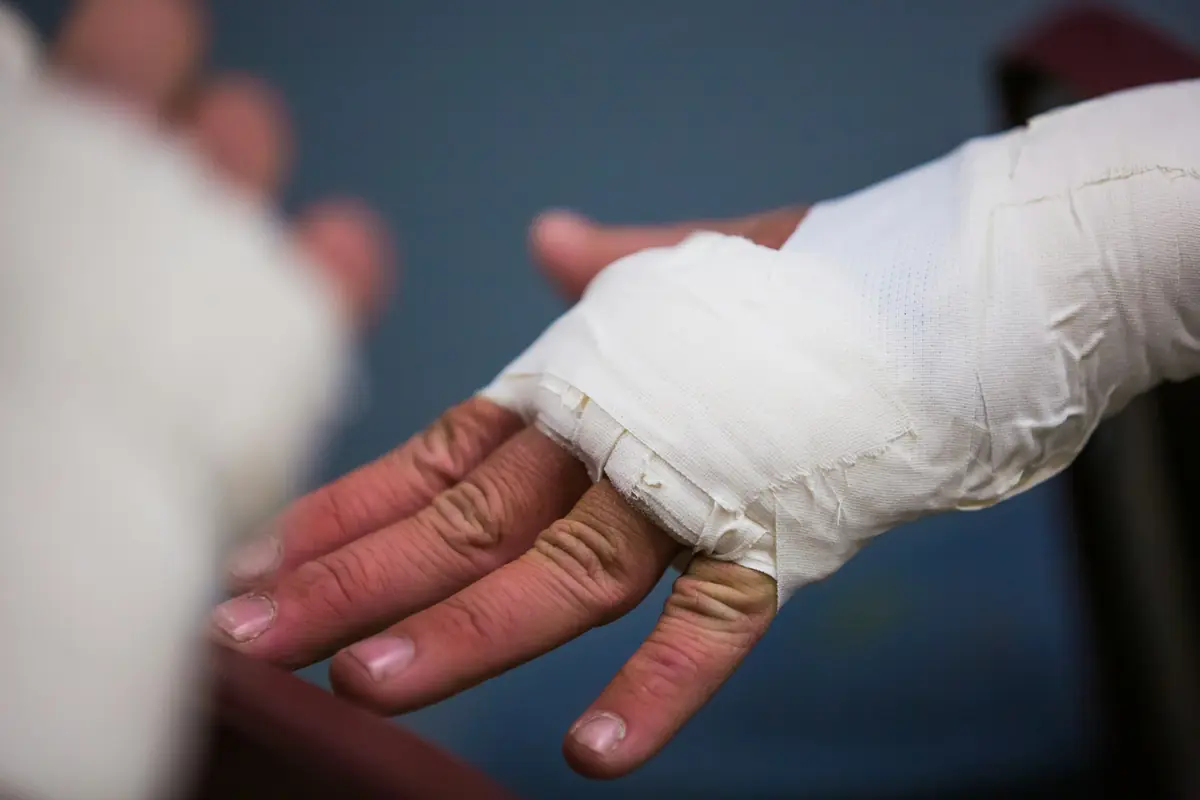
Wound dressings are grouped by what they do. Some absorb heavy drainage. Some add moisture to a dry wound bed. Some form a thin, protective layer over skin that is nearly healed. Your clinician chooses the category; our job is to make sure you receive the right type, in the right size, in enough quantity for the change schedule.
Size matters more than most people expect. A dressing should extend past the wound edge so the adhesive sits on healthy skin. If a wound is shrinking, the size you need may change from one month to the next — tell us, and we'll adjust the order.
We also look at the whole change routine. A primary dressing often needs a cover dressing, a way to secure it, a cleanser and gloves. If any one of those runs out, the change is delayed. We build the order as a set so each change can start and finish without a search.
- Foam dressings for moderate to heavy drainage
- Hydrocolloid dressings for light drainage and longer wear
- Alginate and gelling fiber dressings for heavy drainage
- Hydrogel for dry wounds that need moisture
- Transparent film for protection and visibility
- Gauze, non-adherent pads and bordered island dressings
Holding it all in place
The right securement protects both the dressing and the skin underneath. Tell us where on the body the dressing sits and how sensitive the skin is.
| Securement type | Often chosen when | Worth mentioning to us |
|---|---|---|
| Paper tape | Skin is delicate and changes are frequent | Any redness after removal |
| Silicone tape | Skin tears easily or is very thin | How many changes per week |
| Cloth and foam tape | A stronger hold is needed on joints or curved areas | Activity level, bathing routine |
| Conforming and elastic wraps | A dressing sits on an arm or leg | Limb measurements, if known |
| Tubular retention bandages | Tape should be avoided altogether | The area to be covered |
Protecting the skin around and between
Healthy skin is the first line of defense. Moisture, adhesives and friction are its three most common threats — and they show up across wound care, ostomy care and incontinence care alike.
Barrier films create a thin protective layer before tape or adhesive is applied. Barrier creams and ointments shield skin from moisture. No-rinse cleansers clean gently without the friction of scrubbing. Adhesive removers let a dressing come off without stripping skin.
If you notice skin that stays red, feels warm, or breaks down, contact your clinician. We can help with supplies, but changes in skin need a clinical look.
- Barrier films and wipes
- Barrier creams and ointments
- No-rinse cleansers and cleansing foams
- Moisturizers for dry or fragile skin
- Adhesive removers
How we support a dressing routine
Read the plan with you
Share the dressing instructions from your nurse or discharge paperwork. We confirm category, size and change frequency.
Build a complete kit
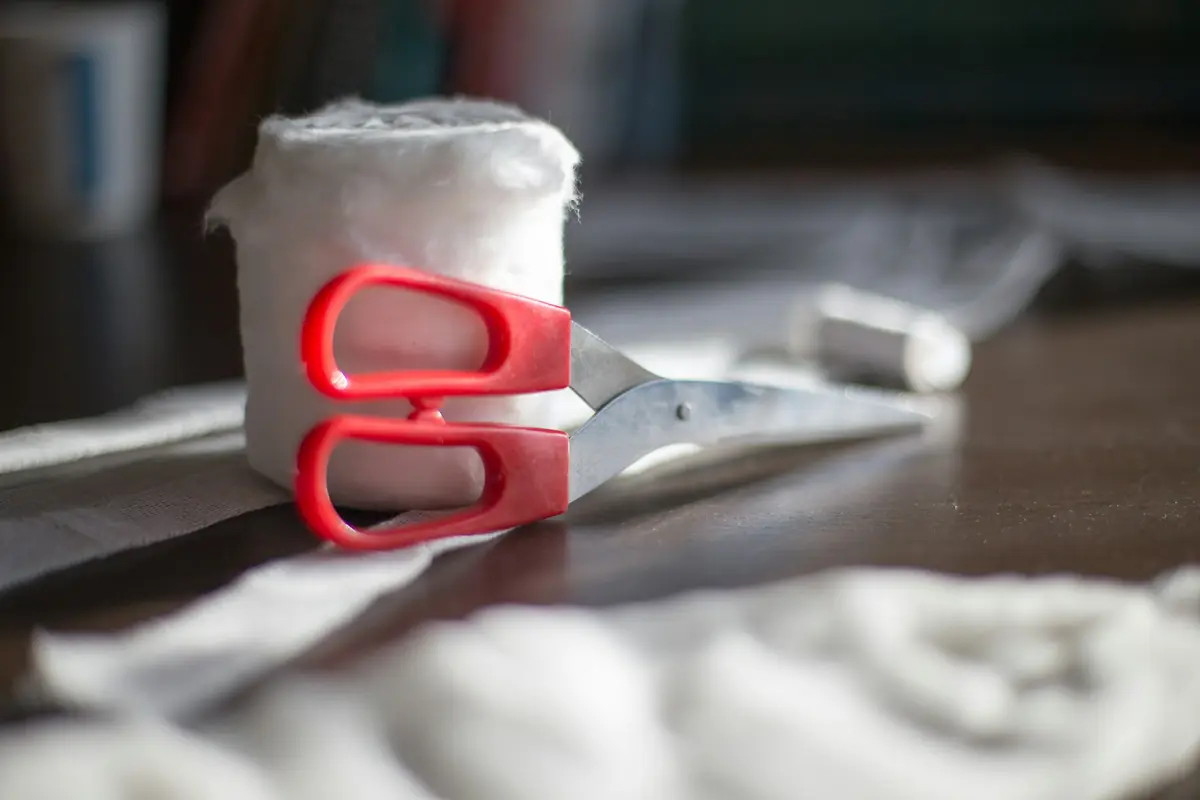
Primary dressing, cover dressing, securement, cleanser and gloves — so a change never stalls for one missing item.
Adjust as healing progresses
When the plan changes, the order changes. Tell us after each clinical visit if anything is different.
General information onlyThis page explains supply categories. It is not wound-care advice. Your physician, nurse or wound-care specialist decides what dressing is right and how often it should be changed.
Have a dressing plan in hand?
Send us the categories and sizes. We'll organize a complete kit around it.